
Green Tea Absolute (Australia)

Green Tea

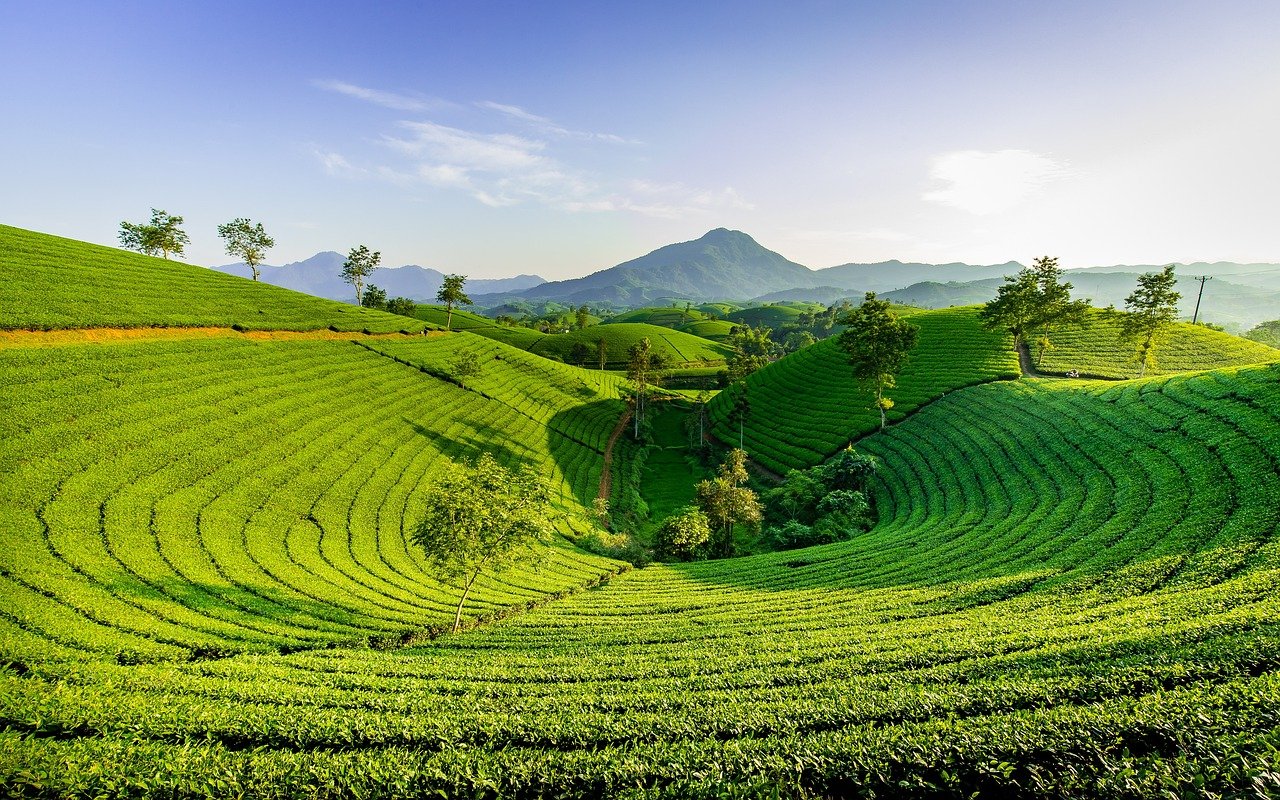
Image by oliver_nguyen on Pixabay

Green Tea (Australia)

🌿 Scent Profile

Refreshing, green, grassy tea note with delicate herbaceous, woody-leathery and dried hay/tobacco nuances.

⚡ Functionality

Antioxidant, Anxiolytic, Cognitive Enhancement, Mood Boost

⚗️ Chemistry

Polyphenols, Catechin polyphenols (e.g. EGCG) and various volatiles (geraniol, linalool, hexanal, etc.).

🛡️ Safety

Safe in standard fragrance use. Contains complex phenolics and methylxanthines; intense exposure could irritate sensitive users. Use in moderate amounts with good airflow.

🌍 Sourcing

Solvent extracted from green tea leaves (Camellia sinensis) in Australia.

🔬 Scientific Literature

“The aroma of roasted green tea has both physiological and psychological sedative effects … and suggest that these pyrazines play a role in producing these effects, with 2,3,5-trimethylpyrazine being the most important aromatic component. Furthermore, the findings suggest that roasted green tea aroma exerts a sedative effect on the autonomic nervous system by suppressing sympathetic nerve activity while increasing parasympathetic nerve activity (Sugimoto et al., 2025).”

SemanticScholar

“We measured the urinary 8-hydroxydeoxyguanosine (8-OHdG) level as the marker for oxidative stress and the serum antioxidant capacity caused by the inhalation of an aromatic volatile concentrate of green tea. The ratio of the urinary 8-OHdG levels in the green tea aroma group to the control group was decreased by 52% at 20 weeks of inhalation (Li et al., 2017).”

PubMed

EEG was recorded from 4 scalp positions … and activity was estimated for 4 frequency bands (alpha1, alpha2, beta1 and beta2). The results showed that the subjective rating about relaxed feeling increased and electroencephalographic activities changed after smelling green tea … suggesting that smelling green tea may have anti-stress effects (Murao et al., 2013).”

JStage

*These statements have not been evaluated by the Food and Drug Administration. These products are not intended to diagnose, treat, cure, or prevent any disease. The scientific literature provided is for informational purposes only regarding the raw botanical materials.